What Conditions Are Optimal for Lawn Diseases?
Lawn diseases thrive under specific conditions, making prevention crucial. Brown patch flourishes in hot, humid summers with excessive nitrogen, over-irrigation, and poor drainage. Red thread targets cool-season grasses in spring and fall, worsened by low nitrogen and poor air circulation. Dollar spot appears in warm, humid conditions, often in late spring and early fall, exacerbated by low nitrogen, excessive moisture, and thatch. Snow mold develops under snow in cold climates, affecting cool-season grasses, with high nitrogen and excessive thatch increasing the risk. Balanced fertilization, proper irrigation, and maintenance practices like mowing and aeration help mitigate these diseases and keep your grass in Pennsylvania thriving.
What conditions make your lawn susceptible to brown patch?
Brown patch is a prevalent lawn disease during the summer months, thriving in hot, humid weather. It affects all types of grasses and is particularly problematic when there is prolonged wetness on the leaves. This disease manifests as circular patches of brown, dead grass, often surrounded by a darker ring. Several factors contribute to the ideal conditions for brown patch, including high nitrogen levels in the fall, which encourage lush growth that is more vulnerable to infection.
Over-irrigation and poor soil drainage can also exacerbate the problem by keeping the grass too wet. Additionally, excessive thatch build-up provides a perfect environment for the fungus to thrive. Proper lawn care practices, such as balanced fertilization, adequate drainage, and thatch management, can help mitigate the risk of brown patch.
What conditions make your lawn susceptible to red thread?
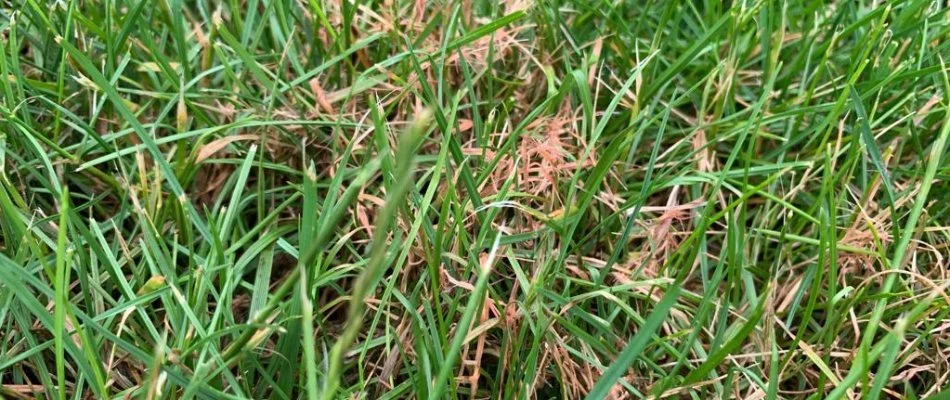
Red thread is another common lawn disease that primarily affects cool-season grasses such as perennial ryegrass and fescue. It typically occurs in the spring and fall when temperatures are mild and humidity is high. This disease is characterized by thin, red or pink threads that extend from the grass blades.
Red thread thrives in lawns with low nitrogen levels, as nutrient deficiency weakens the grass and makes it more susceptible to infection. Prolonged periods of wetness and poor air circulation further contribute to the disease's development. To prevent red thread, ensure your lawn receives balanced fertilization and improve air circulation by regularly mowing and dethatching.
What conditions make your lawn susceptible to dollar spot?
Dollar spot is a lawn disease that affects many grass types, including bentgrass, Kentucky bluegrass, and Bermuda grass. It is most active in warm, humid conditions, typically during late spring and early fall. The disease appears as small, circular, straw-colored spots resembling silver dollars. Dollar spot thrives in lawns with low nitrogen levels and excessive moisture, making proper fertilization and irrigation crucial for prevention. Poor air circulation and thatch build-up also create favorable conditions for this fungus. Regular mowing, aeration, and a balanced fertilization schedule can help reduce the risk of dollar spot in your lawn.
What conditions make your lawn susceptible to snow mold?
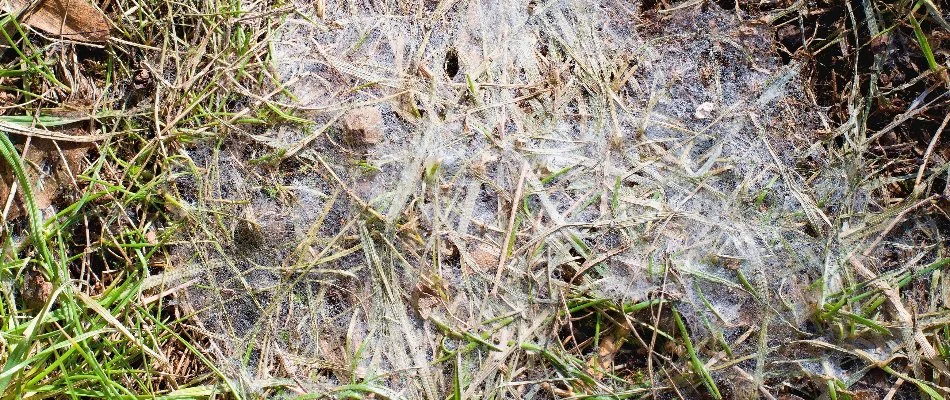
Snow mold is a fungal disease that occurs in cold climates, typically appearing after snowmelt in early spring. It affects cool-season grasses like bluegrass, ryegrass, and fescue. Snow mold thrives under a blanket of snow, where the grass remains damp and insulated from the cold. The disease manifests as circular patches of dead, matted grass, often with a pink or gray hue. Excessive thatch and high nitrogen levels in late fall can exacerbate snow mold by creating an environment conducive to fungal growth. To prevent snow mold, avoid late-season fertilization, manage thatch, and ensure proper lawn drainage before winter.
Call us today to schedule our lawn disease control service!
If your lawn is suffering from a lawn disease, it's time to give us a call. At Lehigh Valley Lawn, we offer a lawn disease control service that involves applying curative fungicides to your turf to eliminate the disease and prevent it from spreading further. Treatments are applied using proper techniques to ensure even distribution for effective results. We offer this service to homeowners and business owners in Macungie, Emmaus, Breinigsville, and throughout the surrounding areas in Pennsylvania. Give us a call today at (484) 547-8246 to schedule our lawn disease control service!

Comments (0)
Thanks for your comment!
Thanks for your feedback! Your comments have been successfully submitted! Please note, all comments require admin approval prior to display.
Error submitting comment!
There is a problem with your comment, please see below and try again.