
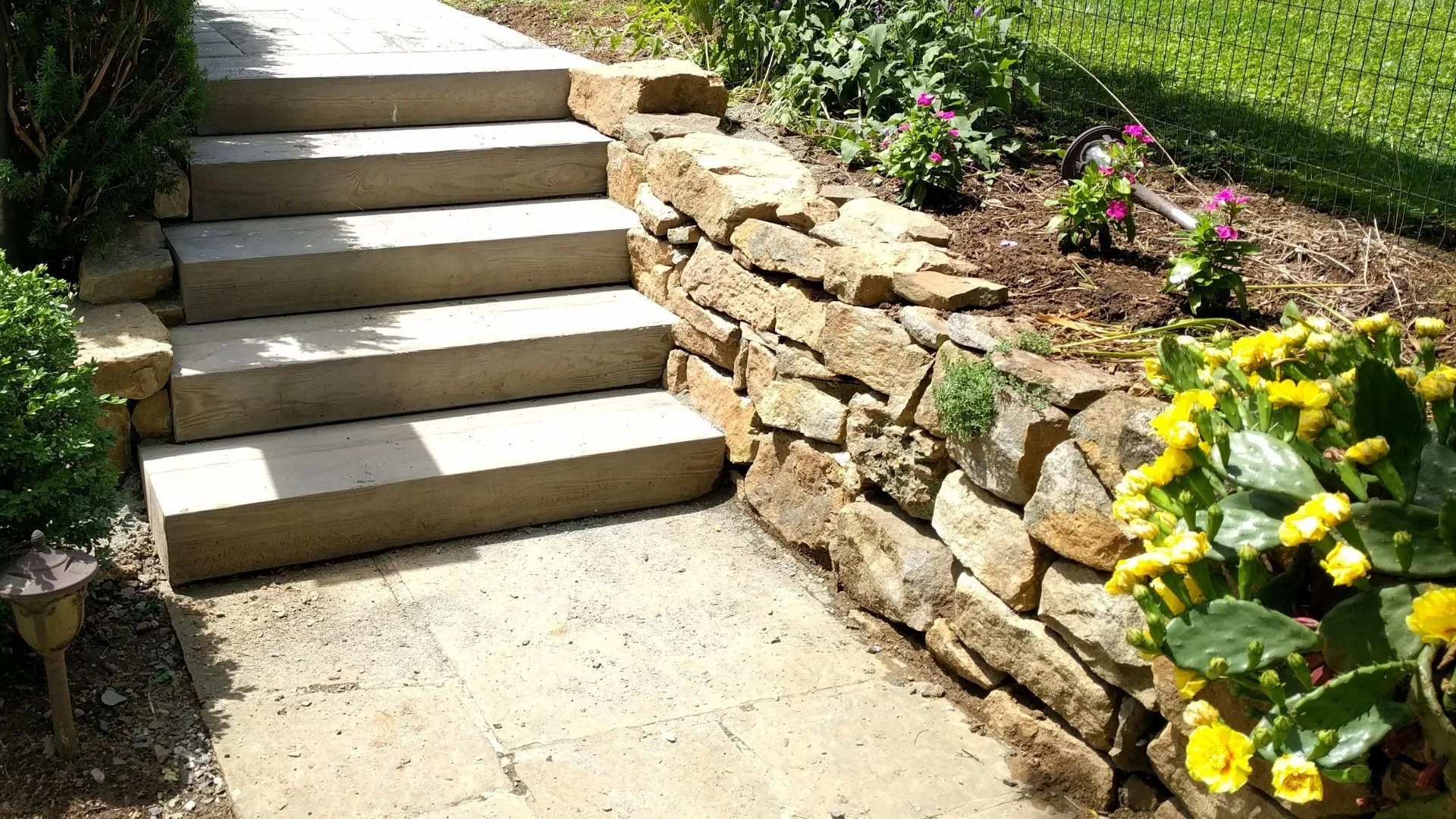
Drainage Is Necessary for Your Retaining Wall!
Retaining walls need proper drainage to manage water pressure and prevent structural failure. Without it, water buildup can cause bulging, cracking, or collapse. Key drainage components include gravel backfill, drain pipes (French drains), weep holes, and filter fabric, all of which help direct water away and maintain stability. Hiring professionals ensures that your retaining wall in Pennsylvania is built correctly with effective drainage, using high-quality materials and techniques tailored to your property’s needs. This approach not only ensures compliance with local regulations but also saves money in the long run by reducing repair costs and providing lasting peace of mind.
Why is drainage necessary for retaining walls?
Retaining walls are designed to hold back soil and manage changes in elevation. However, they also have to contend with water pressure. When water accumulates behind a retaining wall, it increases the lateral pressure on the wall. This hydrostatic pressure can lead to bulging, cracking, or even complete wall failure. Proper drainage mitigates these risks by allowing water to escape, reducing pressure and maintaining the wall’s structural integrity. Without effective drainage, waterlogged soil can freeze and expand, causing further stress on the wall.
What are the essential components of retaining wall drainage?
To ensure your retaining wall functions effectively, it’s important to integrate several key drainage components:
- Gravel Backfill: Gravel is used behind the retaining wall to facilitate drainage. It allows water to flow freely towards drainage pipes or weep holes, preventing water from accumulating directly against the wall. Gravel also reduces soil erosion, maintaining the stability of the wall.
- Drain Pipe (French Drain): A drain pipe, often referred to as a French drain, is typically installed at the base of the wall. This perforated pipe collects water that seeps through the gravel backfill and channels it away from the wall. Proper installation ensures that water is efficiently directed, reducing hydrostatic pressure.
- Weep Holes: Weep holes are small openings placed at the bottom of the wall. They provide an exit for water that accumulates behind the wall, allowing it to drain away naturally. Weep holes are essential for relieving pressure and preventing water buildup.
- Filter Fabric: Filter fabric is placed between the soil and gravel backfill. It prevents soil particles from clogging the drainage system while allowing water to pass through. This ensures that the drainage components remain effective over time and reduces maintenance needs.
Hire pros to ensure your retaining wall is built correctly and has proper drainage.
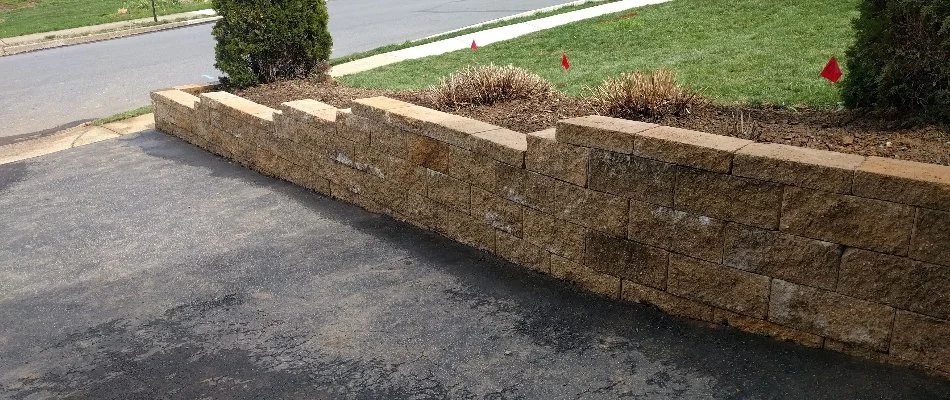
Building a retaining wall with effective drainage is complex and requires expertise. Professionals bring the necessary knowledge and experience to assess your property’s specific needs, determining the best materials and drainage solutions based on factors like soil type, climate, and wall design. They use high-quality materials and proven techniques to ensure durability and effectiveness, seamlessly integrating essential drainage components into the wall’s structure.
Hiring experts also ensures compliance with local building codes and regulations, preventing potential legal issues. While initially more costly, professional installation can save money in the long run by reducing repair and replacement costs. Properly installed retaining walls with effective drainage are less likely to fail, providing peace of mind and confidence that your wall will withstand environmental challenges over time.
Call us today to schedule a consultation for our retaining wall installation service.
At Lehigh Valley Lawn, we offer a retaining wall installation service that ensures your wall remains stable and functional for years to come. We use high-quality materials and equipment to construct retaining walls with an efficient drainage system to keep them in top shape. We build retaining walls for homes and businesses in Macungie, Emmaus, Breinigsville, PA, and surrounding areas. Call us today at (484) 547-8246 to schedule a consultation!

Comments (0)
Thanks for your comment!
Thanks for your feedback! Your comments have been successfully submitted! Please note, all comments require admin approval prior to display.
Error submitting comment!
There is a problem with your comment, please see below and try again.