
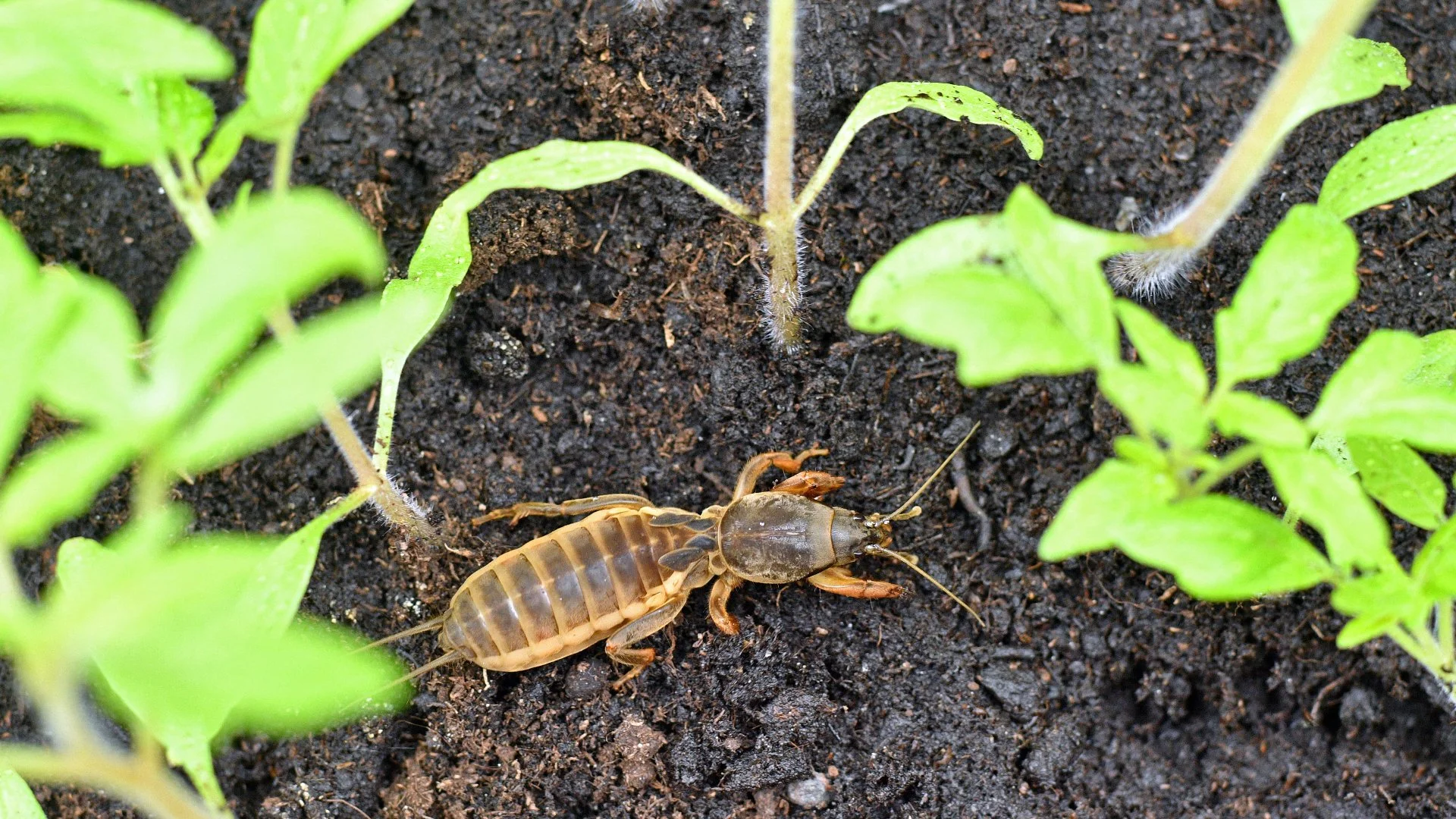
Do Mole Crickets Damage Lawns?
Mole crickets are nocturnal, burrowing insects that damage lawns in Pennsylvania by feeding on roots and creating tunnels, leading to brown patches and spongy soil. They are most active in spring and fall, emerging to mate and lay eggs. If you suspect an infestation, contact lawn care professionals to confirm and treat the issue effectively, especially when nymphs are feeding. It's also important to invest in lawn care services like fertilization, aeration, and overseeding to nurse your lawn back to health and improve its resistance against future infestations. These measures strengthen roots, improve soil structure, and promote a denser, healthier lawn.
What are mole crickets, and how do they damage lawns?
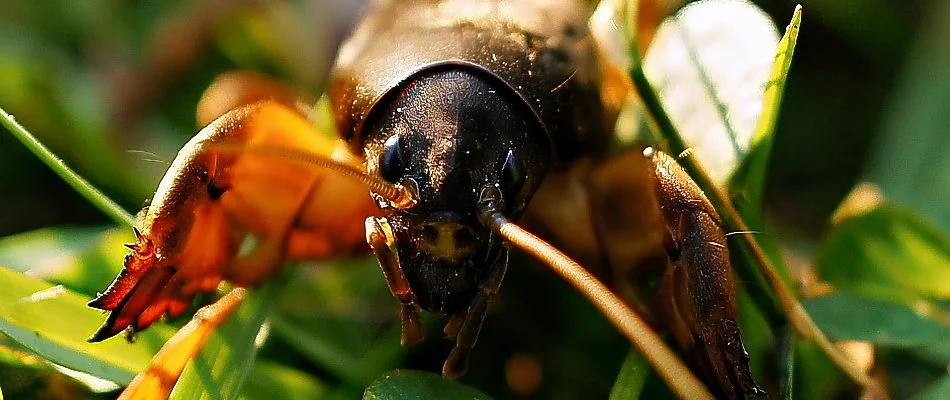
Mole crickets are burrowing insects known for their cricket-like appearance and mole-like digging habits. They are primarily nocturnal and spend most of their lives underground. These pests are particularly problematic for lawns because they feed on your lawn's roots and create extensive tunnels just beneath the surface.
The damage caused by mole crickets is twofold. First, their feeding habits can sever the roots, leading to brown patches and thinning turf. Second, their tunneling disrupts the soil structure, causing the ground to feel spongy and uneven. This not only affects the aesthetic appeal of your lawn but also weakens the grass, making it more susceptible to other stresses like drought and disease.
When are mole crickets most active?
Mole crickets are most active during the spring and fall. In the spring, they emerge from their overwintering sites to mate and lay eggs. The eggs hatch into nymphs, which grow and continue feeding throughout the summer. As temperatures cool in the fall, mole crickets become active again, preparing to overwinter. Understanding their activity patterns is essential for timing control measures effectively. Monitoring your lawn during these peak activity periods can help identify an infestation early, allowing for timely intervention.
What should you do if you suspect a mole cricket infestation?
If you suspect that mole crickets are damaging your lawn, it’s important to act quickly. The first step is to contact a professional pest control service. Experts can accurately diagnose the problem, confirming the presence of mole crickets and assessing the extent of the damage.
Once confirmed, professionals typically apply a curative treatment to eradicate the pests. These treatments are most effective when applied during the early stages of mole cricket development, particularly in late spring or early fall when the nymphs are actively feeding.
In addition to pest control measures, investing in lawn care services is crucial to help your lawn recover and build resistance against future infestations. Here are some key practices to consider:
- Lawn Fertilization: A well-fertilized lawn is more resilient. Providing the right nutrients helps strengthen the root system, promoting quicker recovery from mole cricket damage.
- Aeration: Aerating your lawn improves soil structure, enhances root growth, and alleviates compaction caused by mole cricket tunneling. This process increases the lawn’s ability to absorb water and nutrients, fostering a healthier environment for grass to thrive.
- Overseeding: After mole cricket damage, overseeding can help fill in bare patches and promote a denser lawn. A thicker lawn is less inviting to pests and can better withstand future infestations.
Give us a call today to sign up for our lawn insect control service!
If you suspect that your lawn is infested with mole crickets, don't wait to take action. Here at Lehigh Valley Lawn, we offer a lawn insect control service to target destructive mole crickets infesting your turf. We'll apply curative treatments to eliminate these pests and stop them from causing further damage.
We offer this service to commercial and residential properties in Macungie, Emmaus, Breinigsville, PA, and neighboring communities. Call us at (484) 547-8246 to schedule this service today!

Comments (0)
Thanks for your comment!
Thanks for your feedback! Your comments have been successfully submitted! Please note, all comments require admin approval prior to display.
Error submitting comment!
There is a problem with your comment, please see below and try again.